
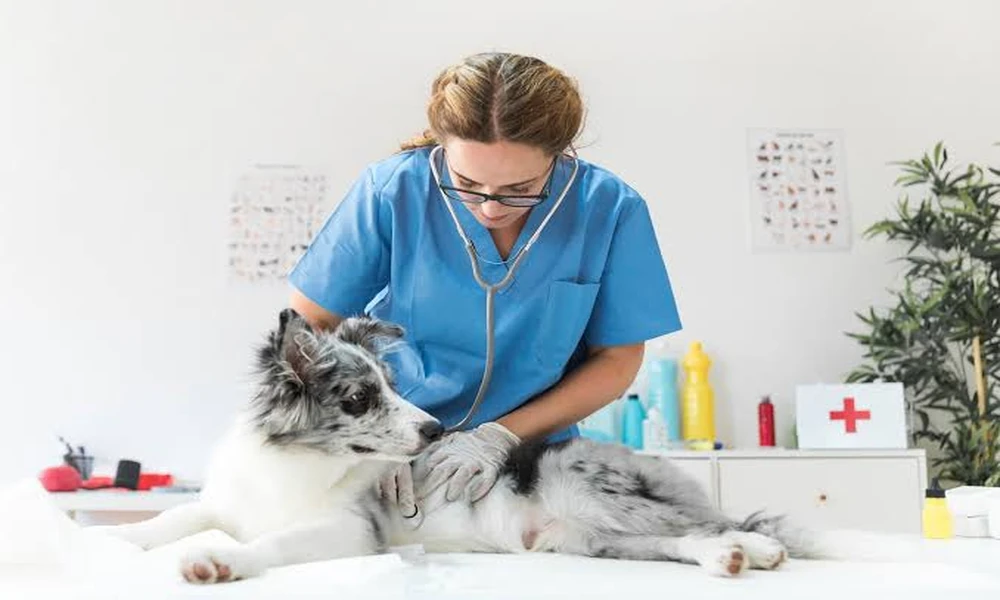
It usually starts fast. Your pet stands up, sways, leans into a wall, or keeps tipping to one side, and then you notice the head tilt. A moment like that can make your stomach drop because it looks serious, and sometimes it is. You may be wondering if this is a seizure, a stroke, an ear problem, or something that will pass by morning. The safest way to look at it is simple. Sudden balance changes and a tilted head in pets need prompt veterinary attention because the cause can range from an inner ear issue to a nerve disorder to a problem in the brain, so contact a veterinarian in Delaware, OH.
Veterinary teams do not guess based on the tilt alone. They look at how your pet walks, whether the eyes are flicking back and forth, whether there is vomiting, circling, weakness, pain, or confusion, and whether the signs came on all at once or built over time. That first exam helps sort out what may be urgent, what testing makes sense, and what treatment should start right away.
Sudden head tilt and loss of balance in pets can point to very different problems
A head tilt and wobbling often come from the vestibular system, which controls balance. When that system is disrupted, pets can look dizzy, fall, roll, or refuse to move because motion makes them feel worse. Cornell explains vestibular syndrome in cats in a way that also helps owners understand the broader pattern. The signs can be dramatic even when the cause is treatable, but the same signs can also show up with more serious disease.
This is where stress builds. You are not just seeing “clumsiness.” You are seeing a pet who cannot trust the ground under their feet. Some pets panic and pace. Others freeze and will not eat. If there is vomiting, dehydration can follow quickly. If there is ear pain or a deep ear infection, your pet may also cry out, scratch at the ear, or resist being touched near the head.
Vet clinics usually separate these cases into two broad categories. Peripheral vestibular disease affects the inner ear or nearby nerves. Central vestibular disease involves the brain. Both can cause a tilted head and poor balance, but central disease is more likely to come with weakness, behavior changes, trouble placing the feet, or altered awareness. That distinction matters because it changes the urgency, the tests, and the outlook.
Owners often worry about seizures, and that concern makes sense because both seizures and vestibular episodes can appear sudden and frightening. The signs are not always the same. The University of Illinois offers a helpful guide on whether your pet may be having seizures, including features like loss of consciousness, paddling, jaw chomping, and a recovery phase that can look very different from a simple balance disorder. Clinics use that history, along with the exam, to narrow things down fast.
How a veterinary clinic evaluates a pet with a head tilt
The first goal is stabilization. If your pet is vomiting, dehydrated, unable to stand, or at risk of injuring themselves, the clinic may start nausea control, fluids, and supportive care before moving into deeper testing. A calm, dim space also helps because dizziness gets worse when a pet is stressed or trying to move too much.
The physical exam is not basic in these cases. Vets look closely at eye movements, facial symmetry, ear canals, limb strength, reflexes, mental alertness, and neck pain. A deep ear infection can hide below the surface, and some pets need sedation for a complete ear exam. Bloodwork may be recommended to check for infection, inflammation, metabolic problems, or issues that could affect anesthesia or treatment choices.
If the exam suggests a brain issue, advanced imaging may come next. If the signs point more toward the ear, the plan may focus there first. In older pets, the picture can get even more layered. A senior dog with confusion, pacing, sleep changes, and new disorientation may also have age related cognitive decline. Cornell’s page on senior dog dementia explains how brain aging can change behavior, though it does not usually explain a sudden severe head tilt by itself.
Professional veterinary care is safer than waiting and watching at home
| Situation | Waiting at Home | Veterinary Clinic Approach |
|---|---|---|
| Sudden head tilt with vomiting | Risk of dehydration, falls, worsening nausea | Anti nausea medication, fluids, exam to identify vestibular or neurologic cause |
| Balance loss with eye flicking or circling | Hard to tell ear disease from brain disease | Neurologic and ear exam, targeted testing, safer monitoring |
| Possible seizure versus dizziness episode | Signs may be misread, delays proper treatment | History review, exam, and treatment plan based on the pattern of signs |
| Senior pet acting confused and unsteady | May assume “old age” and miss a treatable problem | Assessment for ear disease, neurologic illness, pain, and cognitive change |
The hardest part for many owners is not knowing whether they are overreacting. With head tilt and balance problems in pets, the risk usually comes from underreacting. A pet can fall down stairs, stop eating, inhale vomit, or decline overnight. Even when the final diagnosis turns out to be a peripheral vestibular episode that improves with time and support, getting your pet assessed early can prevent a rough and avoidable night.
Sudden pet balance issues deserve a clear plan
Keep your pet still and safe. Limit movement, block stairs, and keep them on a non slip surface. If they are small enough to carry safely, support the body and keep the head level. Do not force food or water if they are actively nauseated.
Record what you are seeing. Note when the signs started, whether there was vomiting, circling, eye twitching, collapse, ear scratching, or confusion. A short video often helps more than a long description, especially when a clinic is trying to separate dizziness from seizure activity.
Call a veterinary clinic promptly. Explain that your pet has sudden imbalance and a head tilt. Ask whether they should be seen right away, and follow transport instructions. If your pet cannot stand, seems unaware, has repeated vomiting, or may have had a seizure, treat it as urgent.
Fast care gives your pet the best chance at steady recovery
How Vet Clinics Approach Sudden Head Tilts And Balance Problems In Pets comes down to one thing. They work to find the source of the problem quickly, protect your pet from the immediate effects of dizziness and falls, and start the right treatment without losing time. If your pet suddenly looks off balance, tilted, or disoriented, trust that reaction in your gut and contact a veterinary clinic as soon as you can.