
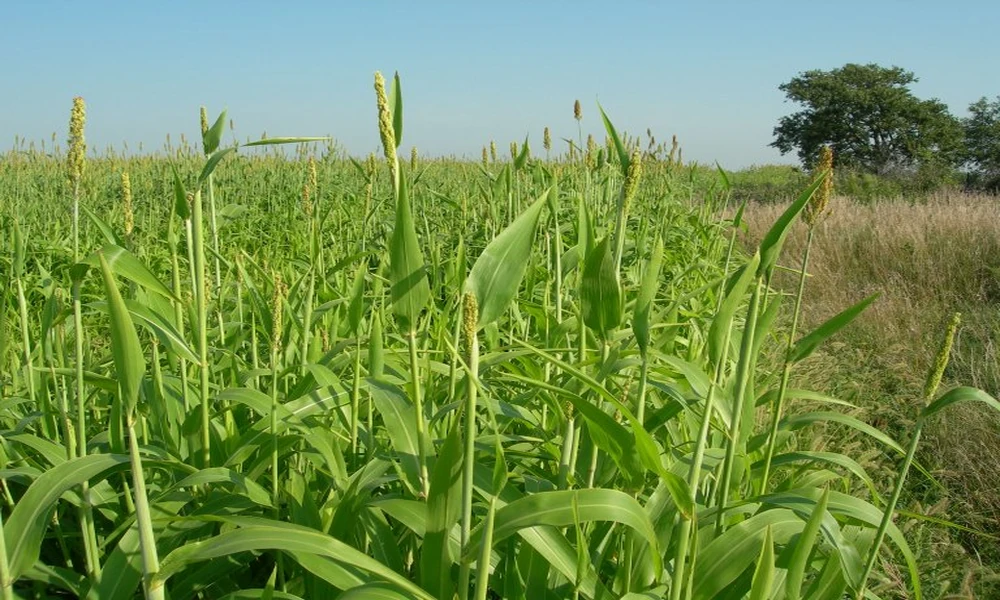
A combination of strategic seed selection and robust soil management is necessary in 2026 to ensure that your forage production is fully optimized. It is a huge error for any producer to depend solely on traditional varieties in terms of total yield security. Standard regional grasses cover basic nutritional needs and nothing more; therefore, all your production targets, including high-yield hay goals, are not fully met at all under old planting systems.
Modern agricultural shifts and changing climate patterns necessitate a manager to own his acreage strategy by getting acquainted with alternative seed varieties. Using a mix of Texas native grass mix and good non-native types can help people make a pasture that stands up well to different times of the year. This makes the system strong and able to handle changes.
Key Takeaways
Choosing only one type of grass does not keep your total yield safe during hard changes in the seasons.
- Non-native forage options dramatically decrease production risks by providing rapid establishment periods.
- Deep-rooted alternative varieties guard your financial investments against sudden prolonged drought impacts.
- Meticulous forage documentation accelerates processing and cutting speeds during critical harvest windows.
What Are the Essential Components of Modern Forage Management?
- Clear establishment boundaries: Planting guidelines must explicitly outline specific moisture expectations and seedbed preparation liabilities.
- Digital testing platforms now track soil nutrient levels to ensure prompt fertilizer adjustments.
- Understanding regional growth habits helps managers maintain their legal land utility rights.
- Specialized drill seeders require clear calibrations regarding depth control and seed distribution management.
- Pasture conditions must be documented digitally before introducing intensive grazing to the space.
- Storage facility standards dictate how harvested bales are managed for moisture issues.
Assessing your physical environment is another critical aspect of holistic risk management. Assessing your drainage patterns, soil compaction levels, and perimeter fencing improves your immediate operational environment. As you assess the holistic financial security of your farm, one measure of great importance is securing certified premium seed lots.
This type of investment will be highly instrumental in ensuring the safety of your tonnage goals and your flexibility in case weather anomalies happen. With both the structural and financial measures implemented, there is no need to fear any production shortfalls because you have an unbreakable defense line. Producers who ensure all these considerations are met face far less disturbance should severe weather happen. Recent industry figures show that the average cost of these high-value seed upgrades stands at twenty-three dollars per acre.
How Do Alternative Technologies Advance Forage Security?
Alternative forage technology has improved seasonal security by offering real-time growth advantages, automatic risk reduction, and immediate biomass accumulation. By changing crop management from being reactive to proactive, these seed selections from Texas native grass mix give producers the ability to prevent yield gaps before they occur.
- Connected field sensors that will offer real-time moisture data directly to your smartphone.
- Wireless weather monitors detect unusual temperature swings near primary growing fields instantly.
- Intelligent drone mapping sends immediate alerts during early crop health changes.
- Automated irrigation schedules simulate rainfall while standard systems are drying out.
- Smart soil probes identify minor nutrient drops before major stunting happens.
- Automated tractor guidance systems manage planting lines through simple digital commands.
- Digital storage probes record internal bale temperatures even when nobody is at the barn.
Knowing about adaptive forage varieties helps one avoid a lot of anxiety should any crop failure occur in neighboring districts. The cost implications of a total field die-off due to poor species selection cannot be overstated since costs will escalate fast, hence the need for structural crop insurance. Many individuals mistake native-only systems for ultimate resilience, assuming standard regional strains protect all production goals. The protection that basic local grass provides does not extend beyond moderate weather; therefore, the tonnage outputs, nutritional profiles, and recovery rates in the fields remain exposed. Knowing about the clear-cut lines will change your perspective on securing your hay yields in the future.
Which Specific Strategies Prevent Severe Field Decline?
- Root systems should be examined regularly under the topsoil for small pest infestations.
- Immediately notify agricultural extension offices if you discover unusual leaf rust or moisture discoloration.
- The drainage channels in the low-lying zones should remain unobstructed to prevent the pooling of water during rain.
- Seed storage bags should be checked to see whether there is any damage, such as mold or cracks.
- Be familiar with the location of all primary water shutoff valves.
- The cutting height inside the field should be kept steady, especially during summer.
How Do Crop Frameworks Limit Producer Production Risks?
| Protection Type | Primary Coverage Focus | Standard Exclusion Limits | Key Producer Benefit |
| Biomass Security | Interior leaf volume, stem count, protein value | External fence damage, perimeter borders | Full harvest replacement value |
| Liability Coverage | Third party property damage, accidental chemical drift | Intentional overspray, specific weed exclusions | Legal defense cost management |
| Loss of Use Coverage | Temporary feed sourcing, emergency transport costs | Standard fuel bills, routine hauling logistics | Alternative feed fund support |
How Can Collective Initiatives Maximize Everyday Forage Safety?
- Regional agricultural networks share immediate updates regarding local pest concerns effectively.
- Shared equipment cooperatives allow producers to report broken harvest machinery.
- Regular community meetings foster collective awareness about weed invasion vulnerabilities.
- Group messaging channels help managers monitor weather warnings during critical curing hours.
- Field watch programs reduce local weed spread through consistent boundary checks.
- Sharing emergency equipment lists ensures rapid communication during unexpected tractor failures.
- Community feedback drives seed distributors to upgrade aging processing facility standards.
Frequently Asked Questions
What does alternative forage protection typically cover during emergencies?
Production options protect individuals from financial losses if weather events cause accidental damage to the standing crop or neighboring fields. It also assists with logistical re-routing costs if a contract buyer decides to pursue a claim against the producer.
What is the difference between pure seed value and actual forage utility?
Pure seed value takes into account germination percentages when computing for the initial cost. Actual forage utility gives the total tonnage value needed to acquire brand-new feed stocks of equivalent nutritional quality.